This post contains affiliate links. As an Amazon Associate I earn from qualifying purchases. Learn more.
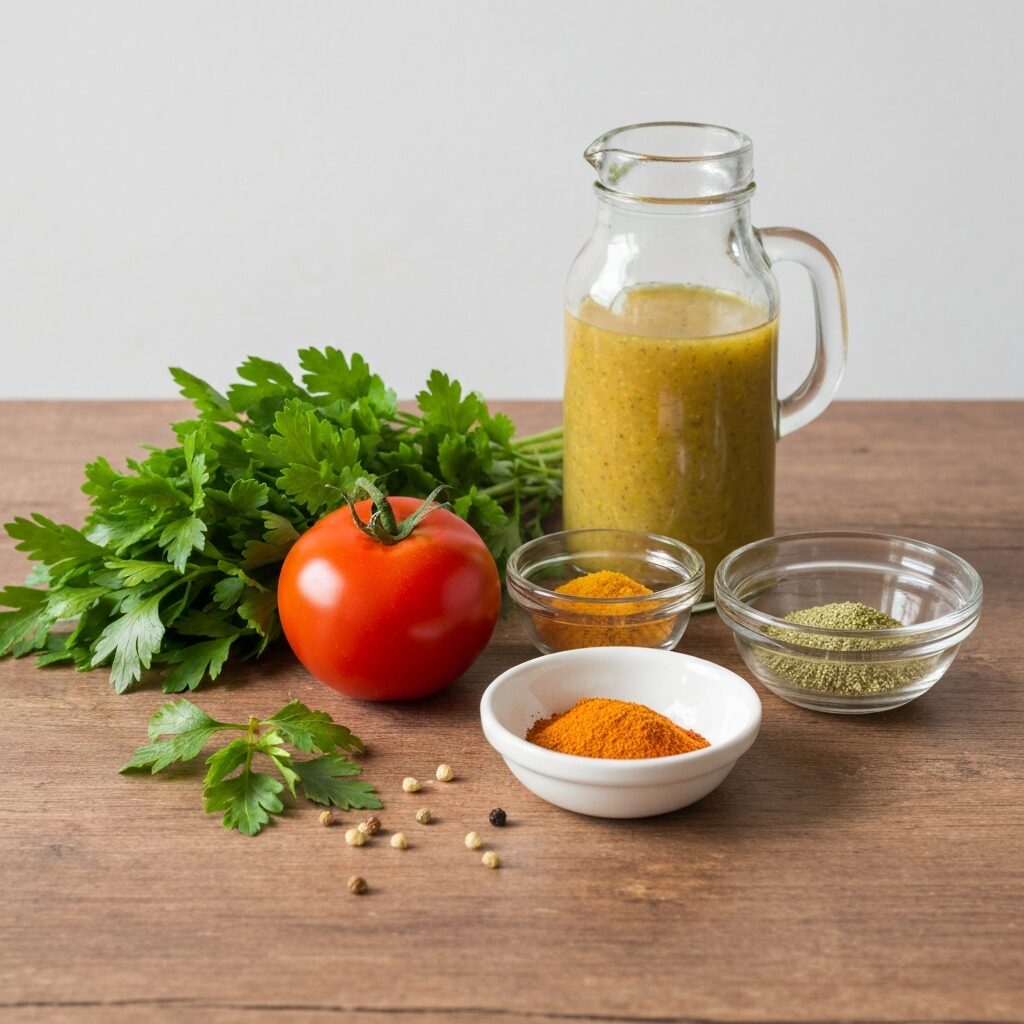
There’s nothing quite like a fresh, vibrant salad to brighten up a meal, especially as farmers market season kicks into full swing. But let’s be honest: even the most beautiful medley of greens and veggies can fall flat with a lackluster dressing. If you’re still relying solely on store-bought bottles, it’s time to unlock a world of flavor and freshness right in your own kitchen!
Whipping up homemade salad dressing isn’t just easy; it gives you total control over the ingredients, allowing you to customize flavors, adjust for dietary needs, and avoid unwanted additives. Plus, it often tastes much brighter and more dynamic than its bottled counterparts. Think of it as a simple superpower for your salads!
The Core Components of a Great Dressing
Every delicious dressing is built on a few fundamental elements working in harmony. Once you understand these, you’ll be able to create endless variations.
The Acid: Brightness & Balance
Acids are the zing and zest of your dressing, cutting through richness and waking up your taste buds. This is where your dressing gets its vibrant personality. Common choices include:
Vinegars: Balsamic (sweet and tangy), red wine (classic, versatile), white wine (lighter, more delicate), apple cider (fruity, sharp), rice (mild, slightly sweet – great for Asian-inspired dressings).
Citrus Juices: Freshly squeezed lemon, lime, or even orange juice offer unparalleled brightness and aromatic notes.
The Fat: Smoothness & Flavor Carrier
Fats provide body, help carry flavors, and give the dressing a luxurious mouthfeel. They also help your body absorb fat-soluble vitamins from your veggies. Your choice of fat can dramatically alter the dressing’s character:
Olive Oil: Extra virgin olive oil is a classic for a reason. Its peppery, fruity notes are fantastic in many dressings. Lighter olive oils are more neutral if you prefer.
Other Oils: Avocado oil (mild, healthy fats), grapeseed oil (neutral), walnut oil (nutty, best for specific pairings).
Creamy Bases: Mayonnaise, plain Greek yogurt (dairy or non-dairy), sour cream, or even blended silken tofu can provide a wonderfully creamy texture.
The Emulsifier: Bringing It All Together
An emulsifier helps the oil and acid (which naturally want to separate) combine into a smooth, cohesive dressing. Without it, your dressing might look a bit… broken. Good news: many common ingredients do double duty as emulsifiers and flavor boosters!
Mustard: Dijon mustard is a superstar, offering both a tangy kick and excellent emulsifying properties.
Honey/Maple Syrup: A touch of sweetness can balance acidity and help bind ingredients. For low-carb options, consider a small amount of erythritol or allulose syrup.
Garlic/Shallots: Finely minced aromatics can also contribute to emulsification, along with big flavor.
Flavor Boosters: Herbs, Spices, & More
This is where you truly make the dressing your own! Don’t be shy about experimenting:
Dried Spices: Onion powder, garlic powder, paprika, cumin, dried oregano or thyme can add depth.
Aromatics: Minced garlic, shallots, or grated ginger.
Sweeteners: A pinch of sugar, honey, maple syrup. For those watching carbs, a dash of Duck You Type 2-approved low-carb sweetener can do the trick!
Umami Boosters: A dash of soy sauce (or tamari for gluten-free), Worcestershire sauce, or nutritional yeast.
The Basic Vinaigrette Formula (and Variations)
The classic vinaigrette is your gateway to homemade dressing mastery. The general rule of thumb is a 3:1 ratio of fat to acid, but this is a starting point, not a strict law. Some prefer a 2:1 or even 1:1 for a tangier dressing.
To make a simple vinaigrette:
In a bowl or jar, combine your acid (e.g., 1/4 cup red wine vinegar), emulsifier (e.g., 1 teaspoon Dijon mustard), and any other flavor boosters (minced garlic, salt, pepper, a pinch of sugar/low-carb sweetener).
Slowly drizzle in your oil (e.g., 3/4 cup extra virgin olive oil) while whisking constantly. If using a jar, simply add all ingredients, secure the lid, and shake vigorously until emulsified.
Taste and adjust! This is the most important step. Does it need more salt? More acid? A touch more sweetness?
For a creamy dressing: Swap out some of the oil for plain yogurt or mayo. For example, whisk together your acid and flavor boosters, then stir in 1/2 cup Greek yogurt and just 1/4 cup olive oil for a lighter, creamier texture.
Common Mistakes to Avoid
Not Tasting and Adjusting: Dressings are highly personal. Always taste your creation before tossing it with salad and tweak as needed.
Using Poor Quality Ingredients: Since dressings have so few components, the quality really shines through. Use good quality olive oil and fresh herbs.
Not Emulsifying Properly: If your dressing separates quickly, you might need a bit more whisking, a stronger emulsifier like Dijon, or a slower drizzle of oil.
Over-Dressing the Salad: It’s better to start with less dressing and add more if needed. You want to coat the greens, not drown them!
Storage & Make-Ahead Tips
Most oil and vinegar-based dressings will keep well in an airtight container (a mason jar is perfect!) in the refrigerator for 1-2 weeks. Creamy dressings with dairy or fresh herbs might last 3-5 days. Always give them a good shake or whisk before using, as some separation is natural.
Level Up Your Dressings with These Tools
While a simple whisk and bowl (or a jar with a lid) are all you truly need, a few tools can make dressing making even easier, especially for those creamier concoctions:
Mini Food Processor or Immersion Blender: These are fantastic for finely mincing aromatics like garlic and shallots, or for blending creamy dressings until perfectly smooth. They ensure a consistent texture and excellent emulsification without much effort.
Consider adding a mini food processor (paid link) to your kitchen arsenal for quick and easy dressing prep!
With these tips, you’re ready to say goodbye to boring salads and hello to a world of fresh, homemade flavor. Happy whisking!
Welcome back! It’s Day 6 of Dancing Deer’s CEO Trish Karter’s 1,500 mile bicycle trek from Atlanta to Boston, which she is doing to raise awareness for family homelessness. Hopefully you’re following her progress on Dancing Deer’s website. When I started this crazy adventure, I had no idea that Dancing Deer was more than just brownies. …
Chile Colorado-inspired chicken stuffed shells As you’re perusing recipes for stuffed shells, you’re going to find some really great Italian-based recipes and those recipes for stuffed shells are fantastic. However, we believe that there is more one can do with the stuffed shell than the classic approach (not that we don’t love the classic Italian…
I made a trip to Penzey’s today because I needed some Arrowroot. Tina and I had just gotten done eating at The Dragon Inn by the Overland Park farmer’s market (review to follow) where I noticed how thick the sauce for the Szechwan Broccoli and the hot and sour soup was. Because I am a total food geek, it reminded…
You ready for some Italian? How about Grilled Eggplant Paninis? The inspiration for this dish came from a great man and an amazing chef: Chef Jasper from Jasper’s restaurant in Kansas City. He actually let me hang out with him for a Saturday (which, mind you is the ONLY reason I would wake up at 8…
Looking for something to do with your chicken? How about making Chicken Taco Filling This recipe restored my faith in slow cooked chicken. It uses dark meat, in this case thighs, because they are juicer and they have better flavor than white meat. As it turns out, this is one of my family’s favorite taco…
Yes, I know it’s not a dog, but it’s such a silly picture. Anyway, if you have dogs in the house, make them some super snacks for the football bowl so they can get in the spirit, too. Puppy Safe Puppy Chow Okay, so I got this idea as I was sitting down to write…