This post contains affiliate links. As an Amazon Associate I earn from qualifying purchases. Learn more.
This post contains affiliate links. As an Amazon Associate I earn from qualifying purchases. Learn more.
Ever wish you had a magic wand to conjure up dinner on a busy weeknight? While we can’t promise actual magic, mastering the art of freezing food comes pretty darn close! Think about it: a homemade lasagna ready to bake, perfectly portioned smoothie ingredients just waiting for the blender, or a batch of seasonal pesto to brighten up a winter meal. Freezing isn’t just about preserving; it’s about future-proofing your meals, saving money, and dramatically cutting down on food waste.
Whether you’re a seasoned meal prepper or just starting to dip your toes into more efficient kitchen habits, learning how to freeze food properly is a game-changer. It means you can take advantage of sales at the grocery store, enjoy farmers’ market bounty all year long, and always have a delicious backup plan for those nights when cooking feels like too much of a chore.
The Freezing Fundamentals: What Works (and What Doesn’t!)
Not all foods are created equal when it comes to the freezer. Understanding what freezes well and what doesn’t is the first step to becoming a freezing pro. This knowledge will save you from soggy surprises and ensure your thawed meals are just as delicious as when they were fresh.
Best Freezing Candidates
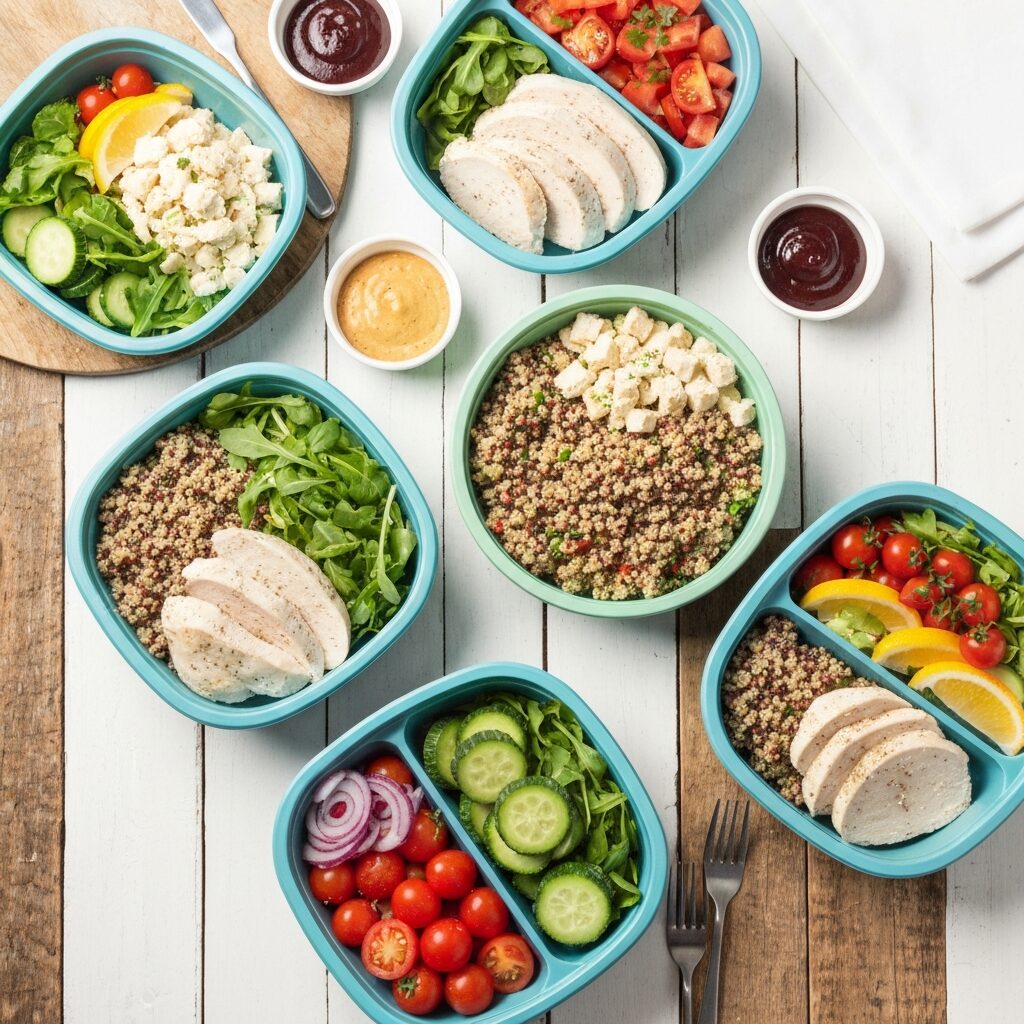
Cooked Grains: Think brown rice, quinoa, farro. Cook a big batch, let it cool completely, and freeze in individual portions. When you need a quick side, just thaw and reheat! This shortcuts the cooking time for grains when you’re in a hurry.
Soups, Stews, and Chilis: These are freezer superstars. They often taste even better after a freeze-thaw cycle as flavors meld. Just be sure to leave a little headspace in your container for expansion.
Casseroles and Baked Dishes: Lasagna, enchiladas, shepherd’s pie – assemble them, then freeze before or after baking. A fantastic make-ahead option for busy weeks.
Blanched Vegetables: Most vegetables, like broccoli, green beans, peas, and corn, freeze beautifully after a quick blanch. Blanching (a quick dip in boiling water followed by an ice bath) stops enzyme action that causes spoilage and helps retain color and nutrients. This means your summer harvest can be enjoyed months later!
Fruit for Smoothies: Berries, sliced bananas, mango chunks – spread them on a baking sheet to flash freeze first, then transfer to a freezer bag. No more giant fruit clumps!
Pestos, Sauces, and Broths: Freeze these in ice cube trays for easy, small portions. Once frozen, pop them out and store in a freezer bag.
Items to Think Twice About
High-Water Content Vegetables: Lettuce, cucumbers, radishes, and raw tomatoes tend to get mushy and lose their crisp texture upon thawing. Better to enjoy these fresh!
Dairy Products with High Fat Content: Sour cream, yogurt, and some soft cheeses can separate or become grainy after freezing. Harder cheeses (like cheddar blocks) fare better.
Fried Foods: While technically freezable, the crispy coating often becomes soggy and unpleasant once thawed and reheated.
Cooked Pasta (on its own): Cooked pasta tends to get very soft and mushy when thawed and reheated. It’s usually better to freeze pasta dishes with sauce, as the sauce helps protect the pasta.
The Secret Weapon: Proper Packaging
The enemy of frozen food is air. Air leads to freezer burn, which makes food dry, discolored, and less flavorful. Your goal is to create an airtight seal around your food. Here’s how:
Freezer-Safe Containers: Use sturdy, airtight plastic or glass containers. Make sure they are labeled as “freezer safe” to prevent cracking.
Heavy-Duty Freezer Bags: These are thicker than regular storage bags and provide better protection against freezer burn. When using them, press out as much air as possible before sealing. A neat trick for this shortcut is to submerge a partially sealed bag (with food inside) into a bowl of water, allowing the water pressure to push out the air before you fully seal it.
Vacuum Sealers: If you’re serious about long-term freezing, a (paid link) vacuum sealer is an excellent investment. It removes almost all the air, significantly extending the life and quality of your frozen goods. This is a fantastic shortcut for extending the freshness of meats, fish, and even prepared meals for months.
Prep Like a Pro: Tips for Freezing Success
Getting your food ready for its icy slumber is just as important as the freezing itself. These simple steps ensure your future self thanks you for your foresight.
Cool It Down First
Never put hot food directly into the freezer. This can raise the temperature of everything else in there, potentially thawing and refreezing other items (which is a no-go for food safety and quality). It also makes your freezer work harder. Cool cooked food quickly by dividing it into smaller portions, spreading it thinly on a baking sheet, or placing the container in an ice bath before transferring to the freezer.
Portion Control is Key
Freeze food in the portions you’ll actually use. Cooking for one or two? Freeze individual servings. Feeding a family? Freeze family-sized meals. This prevents you from having to thaw more than you need, reducing waste and making mealtime much more convenient. For sauces or broths, freezing in ice cube trays before transferring to a bag is a great shortcut for having small, ready-to-use portions.
Label, Label, Label!
This cannot be stressed enough! It’s easy to forget what’s what in a sea of frozen containers. Use freezer tape or permanent markers to clearly label each item with:
The contents (e.g., “Chicken Chili,” “Blanched Broccoli”)
The date it was frozen
Any simple reheating instructions (e.g., “Thaw & heat on stovetop,” “Bake at 375F for 30 mins”)
Having a clear label helps prevent that dreaded mystery meal situation and ensures food is used within its optimal time frame.
Flash Freezing for Individual Pieces
Want to freeze individual berries, cooked meatballs, or even cookie dough balls without them clumping together? “Flash freezing” is your friend. Simply spread the items in a single layer on a baking sheet lined with parchment paper. Freeze until solid (usually 1-2 hours), then transfer the now-frozen individual pieces to a freezer bag or container. This shortcut means you can grab just a few meatballs or berries at a time without having to defrost a whole block!
Common Freezing Mistakes to Avoid
Even with the best intentions, a few common pitfalls can diminish your freezing efforts. Here’s what to watch out for:
Freezer Burn Fiasco
Freezer burn happens when food is exposed to air, causing dehydration and oxidation. It appears as dry, grayish spots on food. While freezer-burned food is safe to eat, its texture and flavor will be compromised. Prevent it by ensuring proper, airtight packaging and keeping your freezer at a consistent 0°F (-18°C) or lower.
Overcrowding the Freezer
Resist the urge to pack your freezer so full that air can’t circulate. Proper air circulation is essential for maintaining a consistent temperature and efficient freezing. Leave a little space between items when first freezing new batches, especially if they’re still cooling down.
Forgetting What’s In There
We’ve all been there: discovering a mystery container from months (or years!) past. Beyond good labeling, consider keeping a simple inventory list (on a whiteboard or a note on your fridge) of what’s in your freezer and when it was added. This quick shortcut helps you prioritize using older items and prevents food waste.
Mastering the art of freezing food is a true superpower for any home cook. It’s a simple yet effective way to manage your time, save money, and ensure you always have delicious, homemade options at your fingertips. So go ahead, stock up on those seasonal veggies, cook an extra-large batch of chili, and embrace the future of convenient cooking!
In my recipe for Orange Rice, I mentioned my friend Carissa was a good enough chef to “own the recipe.” I didn’t talk much about it, but I got to thinking about it later. I wrote that entire post off the cuff sort since I am between series right now and thought the recipe might…
How to Make Brown Butter Okay, so in yesterday’s post How to Melt Butter, I talked about the fact that for the next several weeks, I am going to concentrate on going over culinary fundamentals. I really want to cover the basics of cooking, and in doing so, equip all the home cooks out there with…
Okay, quick recap: In Part 0, we learned how to prepare tofu via pressing and that silken tofu is largely the suck unless its the shake or the cake. In Part 1, we learned how to bake tofu to give it a firm outer texture and a moist inner texture that will keep your mouth…
Unlock baking precision, perfect portion control, and everyday kitchen efficiency with a digital kitchen scale. Discover why this humble gadget is a game-changer for home cooks.
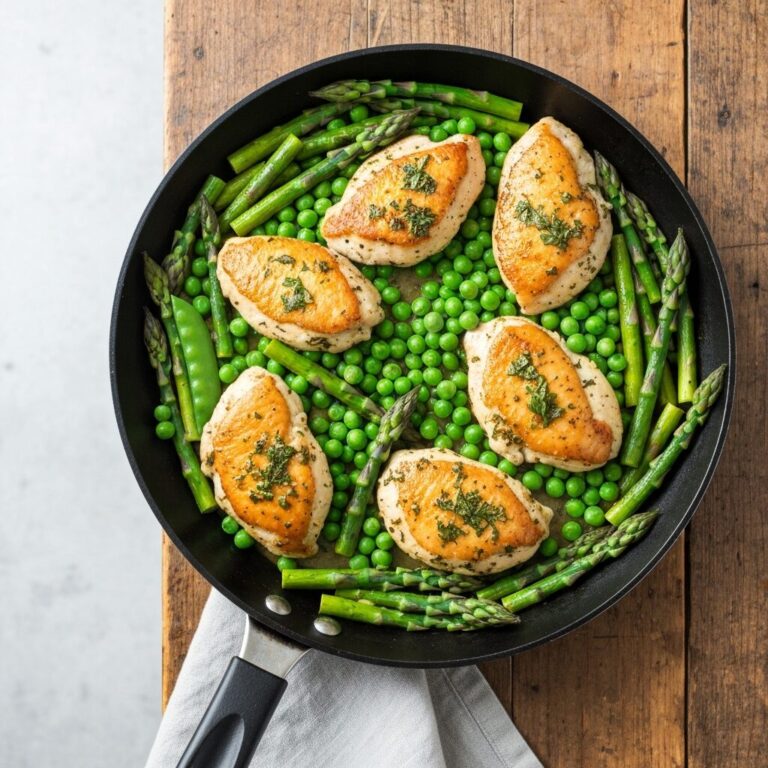
Whip up a vibrant, flavorful lemon herb chicken skillet packed with fresh spring vegetables in just 30 minutes! Perfect for busy weeknights, this recipe is bright, healthy, and incredibly easy.
It was unseasonably warm for Halloween, but that was okay. I was outdoors to help bury a friend. Andy Rupf passed away at the age of 40 and there we were, standing around where his ashes were to be interred: saddened, confused, maybe a little angry, alone even in a crowd. As the preacher raised…