This post contains affiliate links. As an Amazon Associate I earn from qualifying purchases. Learn more.
Ever started a recipe only to realize you’re missing a key ingredient? Or maybe you’re trying to adapt a family favorite to fit a new dietary need, like going dairy-free or cutting back on carbs? Don’t toss that recipe out just yet! Mastering the art of ingredient substitution is like gaining a culinary superpower. It transforms you from a recipe follower into a confident, creative cook who can tackle almost any kitchen curveball. It’s all about understanding the “why” behind an ingredient, not just the “what,” and then finding a suitable stand-in. This skill not only saves you last-minute grocery runs but also opens up a world of flavor possibilities, making your cooking more flexible and less stressful.
Your Kitchen, Your Rules: The Art of Substitution
Cooking is often about problem-solving, and ingredient swaps are one of your best tools. Instead of seeing an empty jar of buttermilk as a disaster, see it as an opportunity! The trick is to think about what each ingredient does in a recipe – its function, flavor, and texture – rather than just what it is.
Understanding the “Why” Behind the Swap
Before you swap, consider the role of the original ingredient. Is it providing moisture? Fat? Leavening? Structure? Sweetness? Acidity? Or is it purely for flavor? For instance, eggs often act as binders and leavening agents, while milk provides moisture and richness. Once you know the job, you can find another ingredient that performs a similar function. This is why knowing a few basic kitchen chemistry principles can turn you into a kitchen wizard.
Dairy-Free Dilemmas? No Problem!
Whether it’s for allergies, lifestyle, or just because you ran out, dairy-free swaps are more common than ever. Here are a few reliable stand-ins:
Milk: Most recipes calling for cow’s milk can easily use unsweetened almond milk, soy milk, oat milk, or cashew milk. For baking, ensure you use unflavored and unsweetened varieties.
Buttermilk: Don’t have buttermilk for those fluffy pancakes? Mix 1 cup of regular milk with 1 tablespoon of lemon juice or white vinegar. Let it sit for 5-10 minutes until it curdles slightly. Voila! Instant buttermilk.
Cream: Full-fat coconut milk (the kind in a can!) is a fantastic stand-in for heavy cream in many savory dishes, adding richness. The chilled, thick cream from the top of a coconut milk can can even be whipped for desserts.
Butter: Plant-based butters are excellent for baking and sautéing. For savory dishes, olive oil or other cooking oils often work beautifully, though you might miss a bit of that classic butter flavor.
Cheese: Nutritional yeast offers a cheesy, umami flavor (great for “cheesy” sauces). For melting, many plant-based cheese alternatives are available, or try making your own cashew-based “cheese” sauces.
Low-Carb & Gluten-Free Savvy
Adapting recipes for low-carb or gluten-free diets has never been easier, thanks to a wider variety of ingredients. This is a fantastic way to enjoy your favorite meals while managing blood sugar or avoiding gluten.
Flour: For gluten-free baking, a 1:1 gluten-free flour blend is your easiest bet. For low-carb, almond flour and coconut flour are popular, but remember they absorb liquid differently and can’t be swapped 1:1 for wheat flour without recipe adjustments.
Sugar: Stevia, erythritol, monk fruit, and allulose are popular sugar substitutes. They provide sweetness without the carbs; check conversion ratios as sweetness varies.
Pasta & Rice: Zucchini noodles (zoodles), spaghetti squash, or shirataki noodles are great low-carb pasta alternatives. Cauliflower rice is a fantastic stand-in for traditional rice, especially in stir-fries or as a side dish.
Vegetable Swaps: Instead of carb-heavy potatoes, try roasted radishes or celeriac. Swap corn for bell peppers or green beans. Thinking about healthier options? Resources like Duck You Type 2 offer fantastic insights into managing blood sugar through smart food choices.
Boosting Veggies & Protein
Sometimes a swap is about adding more goodness! If a recipe calls for one type of vegetable, but your farmers market haul is overflowing with another, go for it! Swap spinach for kale, broccoli for cauliflower, or bell peppers for zucchini. Match cooking times and textures where possible. Similarly, you can often swap proteins (chicken for tofu, beef for mushrooms) to change up a meal, keeping in mind marinating and cooking differences.
Spice & Herb Adventures
Missing fresh herbs? A general rule of thumb is to use 1/3 the amount of dried herbs for fresh (e.g., 1 tsp dried for 1 tbsp fresh). Missing a spice? Consider its flavor profile. Is it earthy (cumin, coriander)? Pungent (garlic powder, onion powder)? Sweet (cinnamon, nutmeg)? You might find a blend in your pantry that hits similar notes, like Italian seasoning for dried oregano and basil. Don’t be afraid to experiment, but start small!
Common Mistakes to Sidestep
Even with your newfound superpower, a few pitfalls can trip up even the savviest swapper:
Ignoring Function: Swapping applesauce for oil in baking works because both provide moisture and fat. Swapping applesauce for eggs might not work if the eggs are primarily for leavening or binding. Always consider the “why.”
Over-Substituting: Especially in baking, where ratios are critical, try not to change too many ingredients at once. If you swap the flour, the sugar, and the fat, you’ve essentially created a new recipe!
Not Adjusting Liquids (Especially in Baking): Flours like coconut flour absorb a lot more liquid than wheat flour. If you make a significant flour swap, you’ll almost certainly need to adjust the liquid content to avoid a dry or crumbly result.
Forgetting to Taste: For savory dishes, taste as you go! A swap might alter the saltiness or acidity, so be ready to adjust seasonings.
Essential Tools for Savvy Swappers
While a good imagination is your best tool, a few kitchen gadgets can make swapping even smoother, especially when precision matters:
Digital Kitchen Scale: When you’re dealing with different types of flours or sweeteners, measuring by weight (grams) rather than volume (cups) provides far more accuracy. This is a game-changer for successful baking substitutions. A good kitchen scale helps ensure your measurements are spot-on, preventing your carefully crafted swaps from falling flat.
We recommend a reliable digital kitchen scale like (paid link). It’s an inexpensive tool that opens up a world of baking and cooking precision, making your substitutions much more consistent.
Cooking should be a joyous and creative experience, not a rigid adherence to a recipe. By understanding the fundamentals of ingredient substitution, you unlock a new level of culinary freedom. So next time you’re missing something, or just want to try a healthier twist, get creative! Your kitchen is your laboratory, and you’re the chef-scientist. Happy swapping!
This grilled chicken recipe features a vibrant, herb-packed Green Goddess marinade that doubles as a bright finishing sauce, perfect for spring cookouts and weeknight dinners.
On the campout this weekend, I fixed the best scrambled eggs that I have made and I owe it to two things: high heat and fresh ground black pepper. To make the eggs, I cracked a dozen into a nonstick skillet, added a pinch of salt, a pinch of garlic powder, and about ten turns (quite a lot)…
Whip up this vibrant Mediterranean Quinoa Power Salad in under 30 minutes for a fresh, satisfying meal. Packed with spring veggies and a zesty roasted red pepper dressing, it’s perfect for quick weeknight dinners or meal prep.
Mom…Happy Mother’s Day, even though I don’t think you read this blog, nor am I terribly sure you know what a blog is exactly. Today, we’re going to celebrate the fact that 30 years ago (give or take a day or so) you, in a rush of horrible puns, gave birth to a strappling young…
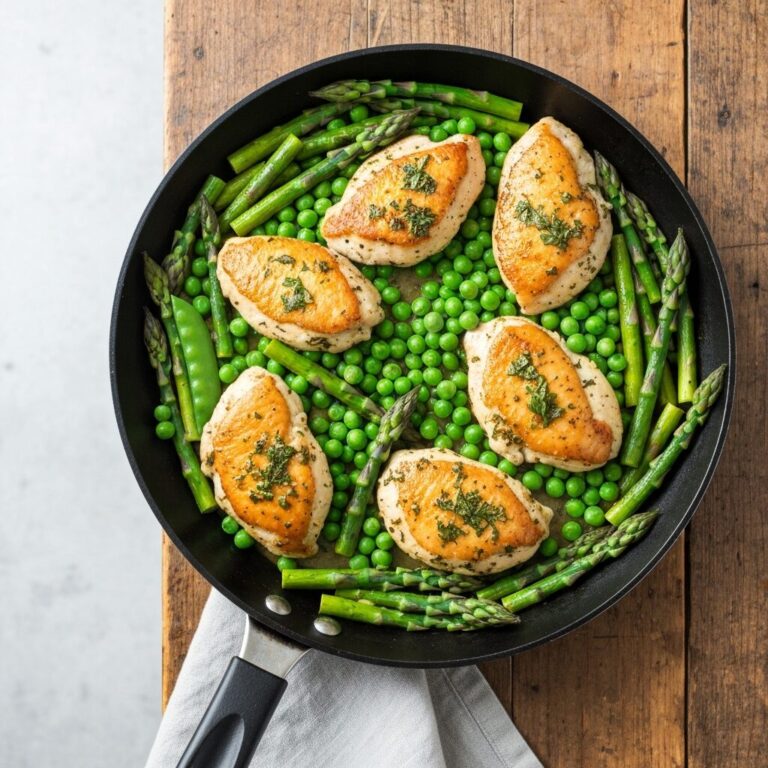
Whip up a vibrant, flavorful lemon herb chicken skillet packed with fresh spring vegetables in just 30 minutes! Perfect for busy weeknights, this recipe is bright, healthy, and incredibly easy.