Grill Like a Pro: Mastering Marinades & Rubs for Ultimate Flavor
This post contains affiliate links. As an Amazon Associate I earn from qualifying purchases. Learn more.
There’s nothing quite like the sizzle and aroma of food hitting a hot grill. As the weather warms up and outdoor cooking season kicks into high gear, we’re all looking for ways to make those grilled dishes truly sing. And if you want to go beyond just char and smoke, it’s time to talk about the dynamic duo of grilling: marinades and rubs.
These flavor powerhouses are your secret weapons for transforming everyday ingredients into culinary masterpieces, whether you’re grilling up chicken for Mother’s Day brunch or experimenting with some fresh, seasonal veggies from the farmers market. They add depth, complexity, and even help tenderize your food, ensuring every bite is a winner. Let’s dive in and unlock the secrets to mastering them!
Marinades: The Flavor Infusion Specialists
Think of a marinade as a luxurious bath for your food. It’s designed to infuse flavor deeply and, in some cases, help tenderize tougher cuts of meat. The beauty of a homemade marinade is that you control every single ingredient, but don’t shy away from doctoring up a good quality store-bought option for a quick shortcut!
The Essential Components of a Great Marinade
- An Acid: This is your tenderizer! Acids like vinegar (apple cider, red wine, balsamic), citrus juice (lemon, lime, orange), buttermilk, or even yogurt help break down proteins, making meat more tender and juicy. They also brighten flavors.
- An Oil: Oil helps distribute fat-soluble flavors and prevents food from sticking to the grill. Olive oil, avocado oil, or grapeseed oil are all great choices.
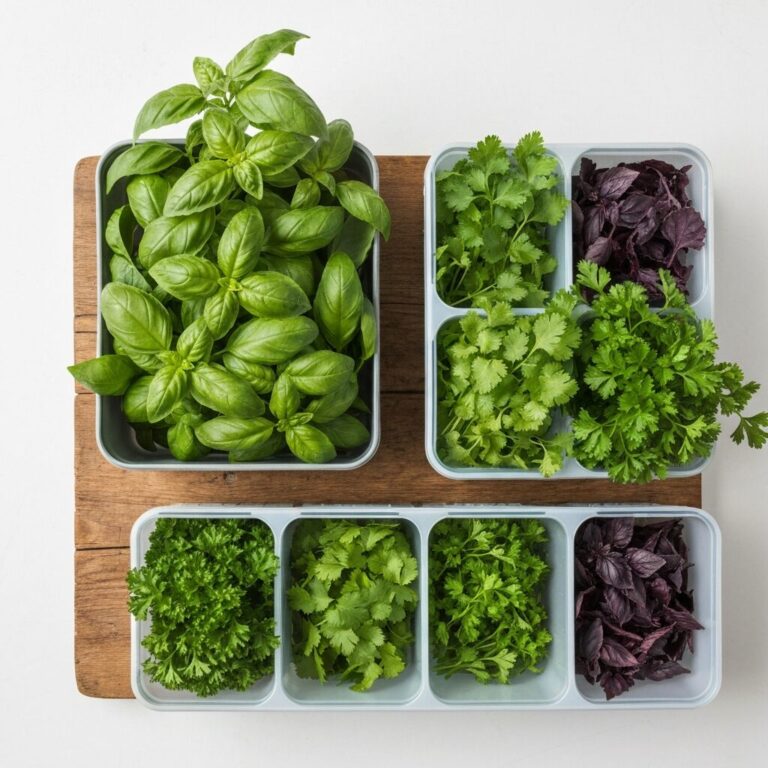
- Aromatics & Seasonings: This is where the flavor party truly begins! Think minced garlic, grated ginger, chopped onions or shallots, fresh herbs (rosemary, thyme, oregano, parsley are fantastic), spices (cumin, paprika, chili powder), salt, and pepper. Don’t forget a touch of sweetness like honey or brown sugar to balance the flavors and aid in browning.
- Salt: Crucial for flavor, but use it judiciously, especially if your other components (like soy sauce or seasoned salt) are already salty.
Crafting Your Own Marinade (The Easy Way)
Building a great marinade is often as simple as following a 3:1 ratio of oil to acid, then loading it up with your favorite aromatics and seasonings. For example, 3 tablespoons of olive oil to 1 tablespoon of lemon juice, then add garlic, herbs, and spices.
Shortcut Alert: Don’t have time to chop a dozen ingredients? Head to the salad bar at your local grocery store! You can grab pre-minced garlic, chopped onions, and fresh herbs without buying whole bunches. Or, use your favorite pre-made spice blends to kick things up a notch.
- For Chicken or Pork: Try lemon juice, olive oil, minced garlic, dried oregano, and a pinch of red pepper flakes.
- For Beef: Think red wine vinegar, olive oil, Worcestershire sauce, minced shallots, and fresh rosemary.
- For Fish or Veggies: A lighter touch with lime juice, a neutral oil (like grapeseed), fresh cilantro, and a tiny dash of chili powder works wonders.
Marinating Times
- Poultry/Pork: 30 minutes to 4 hours. Too long can make chicken mushy.
- Beef/Lamb: 2 hours to overnight (up to 24 hours).
- Fish/Seafood: 15-30 minutes MAX. The acid can “cook” delicate seafood if left too long.
- Vegetables: 30 minutes to 2 hours.
Rubs: The Flavor Crust Creators
While marinades infuse from within, rubs work their magic on the surface, creating a flavorful crust that seals in juices and delivers an incredible punch of taste with every bite. Rubs are often the go-to for slower cooking methods like smoking or low-and-slow grilling, but they’re fantastic for quick-grilled items too.
Dry Rubs vs. Wet Rubs
- Dry Rubs: These are simply a blend of dry spices, herbs, salt, and sometimes sugar. They create a beautiful bark on the outside of your food as it cooks.
- Wet Rubs: A dry rub mixed with a small amount of liquid (like oil, mustard, or even a little beer) to form a paste. This paste helps the rub adhere better to the food and can add another layer of moisture and flavor.
Building Your Best Rub
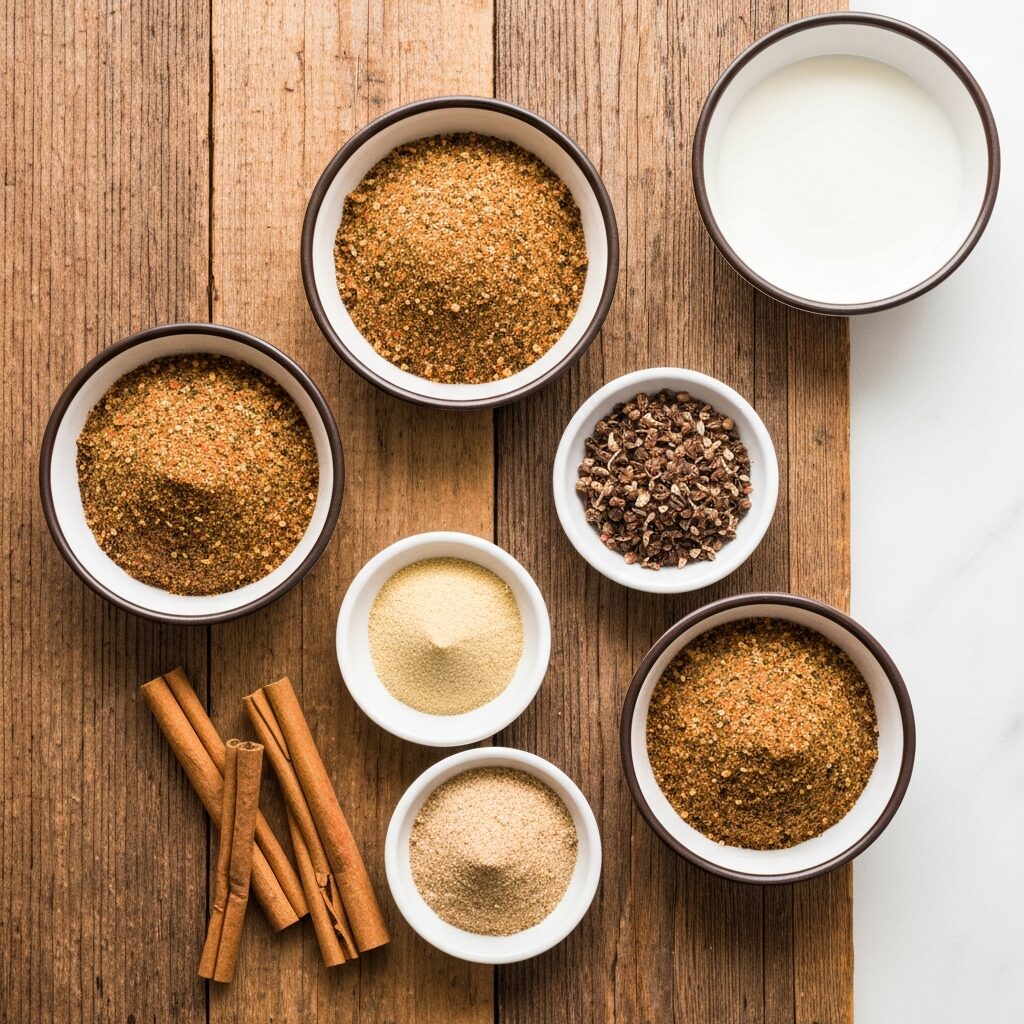
The key to a great rub is balancing sweet, savory, spicy, and earthy notes. You’ll typically want a good foundation of salt and pepper, then add other elements. A good starting point is roughly 1 part salt, 1 part sugar (optional, but great for browning), and 2-3 parts other spices.
- The Essentials: Kosher salt (flaky, easy to distribute), black pepper.
- Sweetness (for crust & caramelization): Brown sugar, granulated sugar, or even coconut sugar.
- Heat: Chili powder, cayenne pepper, smoked paprika (adds color and smokiness), black pepper.
- Savory/Earthy: Garlic powder, onion powder, cumin, coriander, dried oregano, thyme, mustard powder.
- Herbal: Dried rosemary, sage (especially good for pork).
Shortcut Alert: Don’t want to buy a dozen different spices? Pre-made spice blends are your friend! Look for ‘BBQ rub’ or ‘poultry seasoning’ at the store, then customize with an extra pinch of cayenne for heat or a bit more brown sugar for sweetness. You can also buy individual spices in bulk at specialty stores or even some farmers markets to mix your own custom blends for less.
Common Mistakes to Avoid for Grilling Glory
- Over-Marinating: Especially with acidic marinades, leaving food (particularly delicate fish or chicken) in for too long can result in a mushy or mealy texture. Stick to the recommended times!
- Under-Seasoning: It’s a common pitfall. Don’t be shy with your marinades and rubs. Remember, some flavor will cook off, so you need enough to make an impact.
- Not Patting Food Dry (for Rubs): For a great crust with a dry rub, pat your meat or veggies thoroughly dry with paper towels before applying the rub. Moisture creates steam, which prevents that lovely crust from forming.
- Using Marinade as a Sauce: Never baste with or serve raw marinade that has touched raw meat. If you want to use it as a sauce, bring it to a rolling boil for several minutes to kill any bacteria.
- Cross-Contamination: Always use separate tongs and cutting boards for raw marinated food and cooked food.
Tools to Level Up Your Marinade & Rub Game
You don’t need fancy equipment to make amazing marinades and rubs, but a few basics can make the process smoother:
- Good Mixing Bowls: A sturdy set of stainless steel mixing bowls with lids (paid link) is indispensable for whisking up marinades and tossing ingredients with rubs. Lids are a huge plus for easy marinating in the fridge!
- A Quality Pepper Mill: Freshly ground pepper makes a world of difference compared to pre-ground. A good pepper grinder (paid link) allows you to adjust the coarseness, which is great for rubs.
- A Whisk: Essential for emulsifying marinades and blending dry rub ingredients thoroughly.
- Ziploc Bags or Shallow Dishes: For actually marinating your food, heavy-duty Ziploc bags are great as they allow the marinade to surround the food more effectively with less liquid. Shallow glass dishes with lids also work well.
With these tips and tricks in your arsenal, you’re ready to transform your grilling experience from good to absolutely unforgettable. Experiment with different flavor combinations, embrace the shortcuts, and get ready to impress everyone at your next outdoor gathering. Happy grilling!