This post contains affiliate links. As an Amazon Associate I earn from qualifying purchases. Learn more.
There’s nothing quite like the burst of fresh herbs to elevate a dish. Whether you’re tossing bright parsley into a spring salad, infusing rosemary into a roast, or garnishing with delicate cilantro, fresh herbs bring a vibrancy that dried simply can’t match. But let’s be honest, how many times have you excitedly bought a bunch of beautiful herbs, only to find them a sad, wilted mess in the back of your fridge just a few days later? It’s a common culinary tragedy, leading to wasted ingredients and a bit of kitchen frustration.
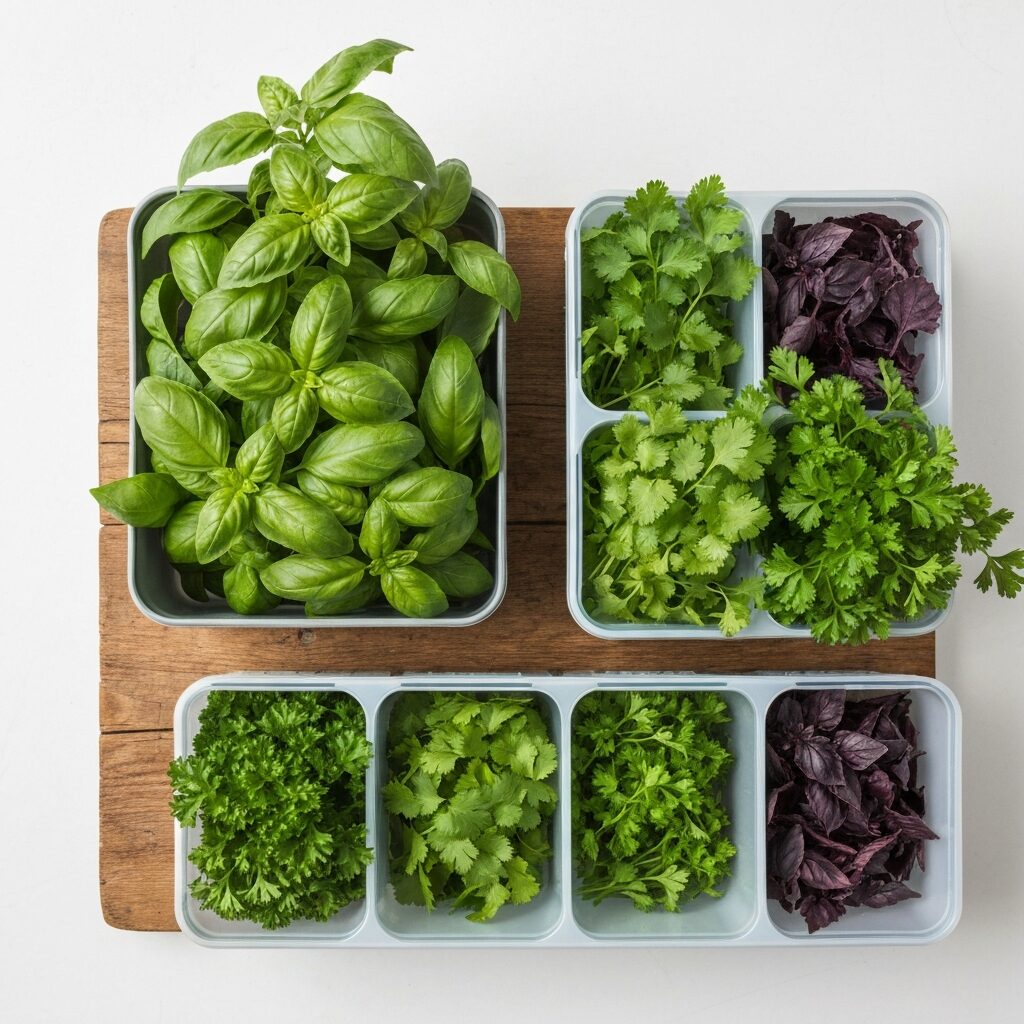
Fear not, fellow food lovers! Keeping your fresh herbs vibrant and flavorful for longer isn’t a dark art reserved for professional chefs. It’s actually a straightforward skill that, once mastered, will save you money, reduce food waste, and ensure your dishes always sing with fresh, aromatic goodness. Different herbs have different needs, so understanding their preferences is key. Think of it as giving them a little spa treatment tailored to their personality!
The Right Way to Store Your Green Goodness
We’re breaking down the best storage methods based on the type of herb. Get ready to say goodbye to limp leaves!
These delicate beauties love a bit of hydration, much like a fresh-cut bouquet of flowers. Storing them in water helps their stems continue to draw moisture, keeping their leaves perky and green.
Trim the Stems: Just like you would with flowers, snip about half an inch off the bottom of the stems. This opens up the capillaries, allowing them to absorb water more efficiently.
Water Bath: Place the trimmed herbs, stem-side down, into a small jar or glass with about an inch of fresh water.
Cover and Chill: Loosely cover the herbs and jar with a plastic bag (the produce bag from the grocery store works perfectly!). This creates a mini-greenhouse effect, trapping humidity and preventing dehydration. Pop them in the fridge.
Change the Water: Swap out the water every day or two to keep it fresh and free of bacteria.
Using this method, you can often keep these herbs fresh for 1-2 weeks!
The Damp Paper Towel Roll-Up: Sturdy, Woody Herbs (Rosemary, Thyme, Oregano, Sage)
These hardier herbs, with their thicker stems and tougher leaves, prefer a less direct approach to moisture. Too much direct water can actually make them slimy. Their ideal environment is cool and slightly humid.
Keep ‘Em Dry (Initially): Don’t wash these herbs before storing them. Any excess moisture trapped in the leaves can encourage mold.
Wrap ‘Em Up: Lay the herbs in a single layer on a slightly damp paper towel.
Roll and Store: Gently roll them up in the paper towel and then place the bundle into a resealable plastic bag or an airtight container.
Refrigerate: Store the sealed container or bag in the crisper drawer of your fridge.
These herbs can last 2-3 weeks with this method, sometimes even longer!
The Exception: Basil’s Special Needs
Ah, basil. It’s truly a unique plant! Unlike most other tender herbs, basil despises the cold. Refrigerating basil can actually turn its leaves black and dull its vibrant flavor. It’s a bit of a diva, but worth the extra consideration.
Bouquet Style (Room Temp): Treat basil like its tender herb cousins, but keep it out of the fridge! Trim the stems and place the bunch in a glass of water on your kitchen counter, away from direct sunlight.
Loose Cover: You can loosely cover the top with a plastic bag, but it’s not always necessary if your kitchen isn’t too dry.
Change Water: Change the water daily.
Basil stored this way will last about a week, giving you plenty of time to whip up pesto or caprese salads.
Common Mistakes to Avoid
Washing Herbs Before Storing: Unless you’re using them immediately, resist the urge to wash your herbs until right before you’re ready to cook. Excess moisture encourages spoilage.
Leaving Them in the Clamshell/Plastic Bag: Those flimsy plastic bags or store-bought clamshells are often designed for transport, not long-term storage. They don’t provide the optimal environment and can trap too much moisture or not enough.
Cramming Them in the Back of the Fridge: Good air circulation is important, and cold spots can damage delicate leaves. Give your herbs a little room to breathe!
When All Else Fails: Preserving Beyond Fresh
Sometimes you just have more herbs than you can use, even with perfect storage. Don’t let them go to waste!
Freezing in Oil (Tender Herbs): Chop tender herbs finely, pack them into ice cube trays, and cover with olive oil. Freeze, then pop out the cubes and store them in a freezer bag. They’re perfect for dropping directly into soups, stews, or sautéed dishes. This is a brilliant shortcut that captures their fresh flavor.
Drying (Sturdy Herbs): Woody herbs like rosemary, thyme, and oregano dry beautifully. Tie small bunches together and hang them upside down in a cool, dark, well-ventilated spot. Once brittle, crumble them into airtight containers. This shortcut lets you use your favorite herbs year-round without buying new ones.
Tool Recommendation: The Herb Saver
While the jar-and-bag method works wonderfully, if you find yourself regularly buying tender herbs, a dedicated herb saver container can be a game-changer. These clever contraptions are designed to keep herb stems submerged in water while providing an airtight or semi-airtight dome, creating the perfect humid environment without a plastic bag. They take up less space than a jar and bag, and often have a slimmer profile to fit easily in your fridge door.
If you’re tired of limp cilantro and sad parsley, investing in one of these could be a smart move:
Proper herb storage is one of those small kitchen habits that yields big returns in flavor, freshness, and fewer wasted ingredients. So go ahead, grab that extra bunch of parsley or a fragrant bundle of rosemary – with these tips, they’ll stay vibrant and ready to bring their best to your next meal!
Okay, last one I swear. It’s just having to eat the same thing four days in a row really gets my creativity going. So in this post for Thanksgiving turkey leftovers, we’re going to make Homemade Dumplings with Leftover Turkey So, I’ve got a rule when it comes to creating turkey day leftovers dishes: escape the…
During the Top Chef Season Three Finale (Part One) , Chef Eric Ripert made a comment I found jaw dropping. Brian Malarky had prepared a braised elk dish that he served with a a number of garnishes including the choice of either gorgonzola or rochefort (forgive me if those are wrong, I am going off…
Okay, so I admit it. I missed a day. I messed up. I was at a convention and I just missed a post. So in order to make up for it, I will write the post I missed yesterday and do another post on Dancing Deer baked goods. Hopefully that will make things right. With…
If you need some ideas for Valentine’s Day food, we hit the archives and can recommend: Start with the easiest Valentine’s Day menu ever. Because Valentine’s Day is on a weekday, here’s a set it and forget it Valentine’s Day menu. Go with something classic: steaks with red wine! A romantic healthy salad for those…
Discover why the air fryer is more than just a fad – it’s a versatile, healthy shortcut to crispy, delicious meals. We dive into its benefits, drawbacks, and who it’s best for.
The strangest things happen somedays when talking about the weekend. I was talking about my recent trip to Omaha, NE and lamenting the fact that for perhaps the second time ever, I left Omaha without stopping by Runza. My friend immediately responded by asking “What’s a Runza?” *gasp* *lights out* What’s a Runza??? So, in…